
Material selection has a direct effect on the appearance, durability, and production cost of finished goods. For manufacturers working with footwear, furniture, handbags, and fashion accessories, polyurethane-based leather has become a useful alternative to traditional leather in many applications. It offers considerable design flexibility and can be produced in different textures, colors, thicknesses, and surface finishes.
Vietnam has developed a strong presence in several consumer-goods manufacturing industries, particularly footwear and apparel. This makes the country worth considering for businesses exploring material sourcing opportunities in Southeast Asia. However, successful procurement requires a clear understanding of product specifications, manufacturing capabilities, and quality expectations.
By examining how PU leather is produced, where it performs best, and what buyers should evaluate before placing orders, businesses can make more informed sourcing decisions.
What Makes PU Leather Different?
Polyurethane leather, commonly called PU leather, is a synthetic material designed to reproduce selected characteristics of natural leather. It generally consists of a textile or nonwoven backing covered with a polyurethane-based layer. Additional coatings or finishing processes may be used to achieve particular textures and performance characteristics.
The material is available in numerous styles, including smooth, matte, glossy, embossed, and grain-patterned finishes. This variety allows manufacturers to coordinate material choices with different product designs.
PU leather is not a single standardized product. Its properties depend on the polymer formulation, backing fabric, coating structure, and production methods. Two products with similar appearances may perform differently when exposed to repeated movement, moisture, heat, or cleaning chemicals.
The Role of Polyurethane Coatings
Polyurethane provides the surface characteristics that help distinguish one PU leather product from another. Depending on the formulation, it can contribute to softness, flexibility, abrasion resistance, and the appearance of the finished material.
The coating must work together with the backing rather than being evaluated in isolation. A flexible surface over a poorly suited backing may not deliver the performance required for a particular application.
Manufacturers therefore need to consider the entire material construction when developing products for demanding environments.
Backing Fabric and Material Structure
The backing influences tensile strength, dimensional stability, flexibility, and how easily the material can be cut or stitched. Woven, knitted, and nonwoven fabrics may be used according to the intended purpose.
For footwear, the backing must support the construction and movement of the shoe. For upholstery, it may need to withstand repeated stretching and contact during everyday use. Fashion accessories can have different requirements depending on their shape, lining, and reinforcement.
Discussing the backing structure with a supplier helps buyers understand whether a material is appropriate for the finished product.
Why Vietnam Is Relevant to PU Leather Sourcing
Vietnam is known for its participation in global footwear, apparel, bag, and consumer-product supply chains. These industries require materials that can be processed efficiently and supplied according to production schedules.
Connections With Footwear Manufacturing
PU leather is used in selected casual shoes, sandals, fashion footwear, and other products where a consistent appearance and suitable flexibility are required.
Footwear manufacturers often need materials that can withstand cutting, stitching, bonding, and repeated flexing. They may also require specific surface finishes to match a brand’s design specifications.
Because Vietnam has a substantial footwear manufacturing sector, buyers may find opportunities to develop material supply relationships connected with these production networks. However, it is necessary to confirm whether a prospective company manufactures PU leather directly or sources it from another producer.
Applications in Furniture and Interior Products
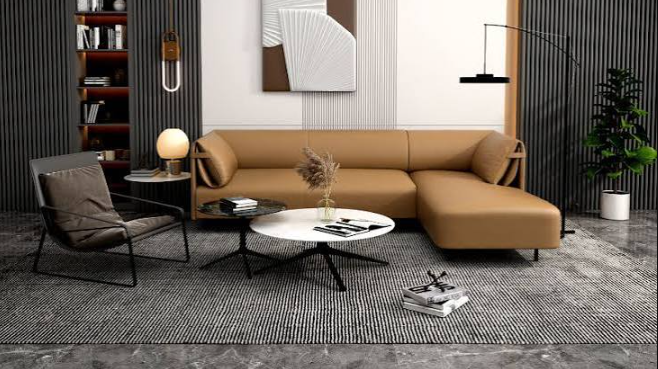
PU leather is used in selected furniture upholstery, decorative panels, cushions, and interior accessories. Its range of colors and textures can help manufacturers develop products for different design preferences.
The material’s suitability depends on the expected level of use. Commercial seating, for example, may require stronger resistance to abrasion, cleaning, and repeated movement than decorative products used occasionally.
Buyers should request performance information appropriate to the intended environment rather than assuming that a material suitable for one type of upholstery will work equally well in every setting.
Fashion Accessories and Product Customization
Handbags, wallets, organizers, and other accessories often rely on surface appearance as a major design feature. PU leather allows manufacturers to experiment with grain patterns, colors, embossing, and different finishes.
Customization may require additional development time, particularly when a new color or texture must be produced. Businesses should discuss sample approval, minimum order quantities, and the availability of repeat production before committing to a design.
How to Evaluate a Potential Manufacturing Partner
When researching PU leather manufacturers Vietnam, buyers should evaluate more than product photographs or introductory quotations. The objective is to find a business capable of meeting technical requirements consistently.
Verify Manufacturing Capabilities
Begin by determining what the company actually produces. Some businesses operate coating and finishing facilities, while others distribute materials or manufacture finished goods using purchased PU leather.
Both models can be suitable, but they offer different levels of control over material formulation, customization, and production scheduling.
Ask for information about available product constructions, thickness ranges, backing options, surface treatments, and standard production capacities. If a particular property is essential, request supporting documentation instead of relying on general marketing descriptions.
Request Samples Before Large Orders
Samples allow buyers to assess color, texture, flexibility, thickness, and surface uniformity. They also provide an opportunity to test whether the material works with existing manufacturing equipment.
A useful evaluation should reproduce the actual production process as closely as possible. For example, a footwear manufacturer can check cutting accuracy, adhesive compatibility, seam behavior, and resistance to repeated flexing.
For upholstery, abrasion resistance, cleaning performance, and surface durability may deserve greater attention.
Review Quality-Control Procedures
Consistent production requires defined specifications and repeatable inspection methods. Buyers should ask how the supplier checks thickness, appearance, surface defects, and relevant physical properties.
For repeat orders, an approved reference sample and written acceptance criteria can reduce misunderstandings. It is also useful to establish how defective material is reported, inspected, and replaced.
When product performance is critical, independent testing may provide additional assurance.
Performance Factors That Should Influence Material Selection
Choosing PU leather involves balancing appearance, durability, and operating conditions.
Abrasion and Flex Resistance
Abrasion resistance matters when the surface experiences frequent contact, rubbing, or movement. Flex resistance is especially relevant for footwear and other products that repeatedly bend during use.
A material that performs well in one test may not necessarily excel in another. Buyers should identify the likely failure modes for their product and select suitable tests accordingly.
Moisture, Heat, and Hydrolysis
Some PU leather constructions can be affected by prolonged exposure to moisture and heat. Hydrolysis resistance is particularly relevant in environments where humidity and temperature remain elevated.
The level of resistance depends on the chemistry and construction of the material. Businesses sourcing products for humid climates or demanding service conditions should request relevant test data and clarify any limitations.
Color Stability and Surface Appearance
Color consistency is important when multiple components must match or when production takes place across several batches. Surface texture can also change the appearance of a product under different lighting conditions.
An approved sample should be retained as a reference. Buyers should document acceptable color variation and confirm whether changes in finish or backing will affect the final product.
Understanding Cost, Lead Times, and Order Requirements
The quoted price of PU leather depends on several variables, including material construction, thickness, backing fabric, finish, customization, order volume, and packaging.
Special colors or embossed patterns may require additional setup or development work. Minimum order quantities can also vary between standard stock products and custom-made materials.
Delivery planning is equally important. Buyers should confirm sample lead times, production schedules, shipping arrangements, and how changes in order quantities may affect delivery.
A lower unit price is not necessarily the most economical choice if the material generates excessive production waste or fails to meet durability requirements. Evaluating usable yield, processing efficiency, expected service life, and replacement costs gives a more complete picture of value.
Common Mistakes Buyers Should Avoid
One common mistake is selecting PU leather entirely by appearance. A visually attractive sample may not provide the flexibility, adhesion, or abrasion resistance required for its intended use.
Another mistake is assuming that all polyurethane-based materials have the same environmental performance. Formulations and production methods differ, so claims about durability, chemical content, or environmental impact should be supported by relevant evidence.
Buyers should also avoid approving samples without testing them in their own production processes. Differences in adhesives, stitching methods, heat exposure, and component design can influence the finished result.
Finally, unclear specifications can cause problems during repeat orders. Material composition, thickness, finish, backing, and quality tolerances should be documented before production begins.
Creating a More Reliable Sourcing Process
An effective sourcing process begins with a detailed product brief. Specify the intended application, required appearance, material construction, thickness, performance requirements, order volume, and delivery destination.
Next, shortlist potential suppliers and request comparable quotations. Evaluate representative samples using the same criteria and confirm that the supplier can reproduce the approved material consistently.
Before placing a large order, consider conducting a trial production run. This can reveal problems with cutting, bonding, stitching, or surface performance before they affect a complete shipment.
Businesses beginning their research can explore information about PU leather manufacturers Vietnam to identify potential sourcing options. Each prospective supplier should then be assessed independently through technical documentation, samples, manufacturing checks, and clear commercial agreements.
Maintaining open communication about forecasts, specification changes, and quality expectations can help both parties manage future orders more effectively.
Three Common Questions
1. Is PU leather suitable for footwear manufacturing?
It can be suitable for many footwear applications, provided the material meets the product’s requirements for flexibility, abrasion resistance, adhesion, and repeated movement. Testing should reflect the intended shoe design and manufacturing process.
2. What documents should buyers request from a PU leather supplier?
Useful documents include technical data sheets, material specifications, relevant test reports, and applicable compliance documentation. The exact requirements depend on the product, destination market, and intended use.
3. How can businesses ensure consistent quality across repeat orders?
They should retain approved samples, document material specifications, define acceptable tolerances, and establish inspection procedures. Periodic testing and clear communication about production changes can help maintain consistency.
Conclusion
PU leather offers manufacturers considerable flexibility in designing footwear, upholstery, fashion accessories, and other consumer products. Its suitability, however, depends on the complete material construction and the performance demands of the finished item.
Vietnam’s established manufacturing networks make it a relevant destination for sourcing research, but buyers should verify each supplier’s actual capabilities before making a commitment. By testing samples, reviewing technical documentation, comparing total costs, and establishing clear quality standards, businesses can reduce procurement risks and develop more dependable supply relationships.


 By