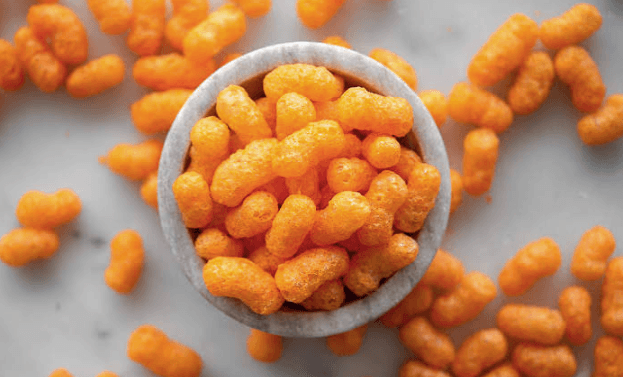
Orange and yellow shades are widely used in food products because they can create a distinctive visual identity across beverages, sauces, bakery items, confectionery, and processed foods. Manufacturers seeking repeatable colour need to consider the ingredient’s concentration, compatibility with the recipe, processing conditions, and stability during storage. A pigment preparation may look suitable in a supplier sample yet perform differently in a finished product.
Beta-carotene is one pigment used to develop orange-yellow colour in selected food applications. Commercial products can vary in concentration and formulation, making it important to match the ingredient to the intended food system rather than choosing solely by price or the strength stated on a label.
What Concentration Means in Practice
A product labelled as 10% beta-carotene indicates a stated concentration within the supplied preparation. The remaining composition may include carriers or other components, depending on the product. Buyers should review the full specification and ingredient declaration to understand what is actually being purchased.
Concentration is important, but it does not tell the whole story. Two preparations with similar stated concentrations can differ in particle characteristics, dispersibility, stability, and recommended applications. These differences can affect the dosage required and the ease with which the ingredient can be incorporated into a production process.
Manufacturers should also distinguish between an ingredient’s technical specification and the amount permitted in a particular finished food. The applicable rules depend on the destination market and the specific application. Regulatory review should take place before the formula is finalised.
Matching the Ingredient to the Application
Sauces and liquid foods
Liquid foods often require colour ingredients that can be distributed uniformly throughout the batch. The physical form of the preparation, the mixing method, and the composition of the sauce can influence the result. Fat content, acidity, stabilisers, and other ingredients may change the way the colour appears.
Developers should evaluate the ingredient in the complete recipe and observe whether the colour remains even after processing and storage. If the product will be heated, the test should include the intended heating cycle.
Beverage systems
Beverages can present specific formulation challenges because the ingredient must remain compatible with the liquid base. A preparation designed for oil-rich systems may not behave like one designed for water-based formulations. Buyers should confirm the intended use with the supplier rather than assume a product can be transferred directly between applications.
Bakery and confectionery
Bakery and confectionery manufacturers should examine the ingredient’s performance under the relevant processing conditions. Heat, light, oxygen, moisture, and recipe composition may affect the finished shade. A trial should include the actual mixing and cooking or baking steps.
Dry mixes
For powdered products, colour uniformity depends partly on how well the ingredient blends with the other dry components. Differences in particle size and density may contribute to separation during handling. Testing should include the mixing method, packaging process, and any expected movement during transportation.
Building a Practical Testing Programme
A structured test plan reduces uncertainty before the ingredient is used in a commercial run.
First, define the target colour and identify the product’s processing and storage conditions. Then review the supplier’s recommended use and select a small number of test levels. Each trial should use accurately measured ingredient quantities and a documented mixing procedure.
Evaluate the resulting colour using a consistent method. For some products, visual comparison under controlled lighting may be useful; for others, a suitable instrumental method may provide better repeatability. Record not only the initial appearance but also any changes after heating, cooling, filling, and storage.
The team should also evaluate flavour, texture, and physical stability where relevant. A colour ingredient should not be approved based on visual performance alone if it changes other important product characteristics.
Managing Stability and Storage
Colour stability can be influenced by exposure to oxygen, light, heat, and unsuitable storage conditions. The exact risks depend on the preparation and the finished formula. Product developers should therefore test the chosen ingredient under conditions that reflect the intended production process and shelf life.
Packaging is part of this evaluation. A container or pouch that protects the ingredient during warehouse storage may not provide the same protection after the material is opened repeatedly. Handling procedures should limit exposure to moisture and contamination and should follow the supplier’s instructions.
For finished foods, shelf-life testing should use the intended packaging and appropriate storage conditions. The results can inform production specifications, inventory rotation, and distribution planning.
Quality Documentation and Traceability
Commercial ingredient approval should include a review of the supplier’s documentation. Depending on the product and buyer requirements, relevant records may include a specification, lot certificate of analysis, ingredient declaration, allergen information, storage guidance, and applicable quality or safety documents.
Traceability is equally important. The manufacturer should be able to link the ingredient lot to the production batch in which it was used. This supports internal investigations and helps the business respond efficiently if a quality concern arises.
Change control should be agreed in advance. If the supplier changes the ingredient composition, processing method, or specification, the buyer should determine whether the material requires re-evaluation before use.
See also: Understanding the Growth of Smart Healthcare Technologies
Evaluating Bulk Supply Options
A bulk purchasing decision should account for the cost of the ingredient, shipping, storage, shelf life, order quantities, and the risk of excess inventory. A low price per kilogram may not provide the best value if the product is unsuitable for the application or if its specifications vary between deliveries.
For manufacturers considering Bulk Beta Carotene 10% Powder Manufacturer the practical next step is to request current technical information and a representative sample. Confirm the product’s composition, intended applications, packaging options, minimum order quantity, lead time, and relevant quality documentation.
Purchasing teams should involve product development and quality assurance early. Their input helps ensure that the selected ingredient meets technical needs as well as commercial requirements.
FAQs
1. Is a 10% preparation always more effective than a lower-concentration product?
Not automatically. Concentration is only one factor. Physical form, formulation, compatibility, and the target application all affect performance.
2. Can one beta-carotene preparation be used in both oil-based and water-based foods?
Not necessarily. Different preparations may be designed for different systems. Confirm suitability with the supplier and test the ingredient in the actual recipe.
3. What should be checked before approving a new lot?
Review the relevant lot documentation and compare the material with the approved specification. Any required identity, quality, or application checks should follow the manufacturer’s procedures.
Conclusion
Reliable colour development requires a close match between ingredient specifications and the finished product’s technical needs. A 10% beta-carotene preparation should be evaluated for composition, compatibility, stability, and permitted use rather than selected on concentration alone. Application trials, traceable documentation, and a well-managed supply relationship help manufacturers achieve more consistent results from development through commercial production.


 By