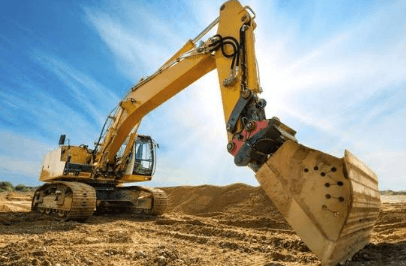
Excavators perform demanding tasks across construction sites, mining operations, road projects, and infrastructure developments. Their ability to dig, lift, swing, and position materials depends on several interconnected mechanical systems working together. One particularly important function is the rotation of the upper structure relative to the undercarriage, allowing the operator to move the boom and attachment without repositioning the entire machine.
This movement relies on a large bearing assembly designed to support substantial forces while enabling controlled rotation. Because excavators operate under changing loads, vibration, and challenging environmental conditions, selecting and maintaining the correct rotational component is essential for equipment reliability.
Understanding the design, operating requirements, and warning signs of wear can help fleet managers and maintenance teams reduce downtime and make better replacement decisions.
Understanding the Role of an Excavator’s Rotational Bearing
An excavator’s upper structure contains major components such as the cab, engine, hydraulic systems, counterweight, and boom assembly. The undercarriage supports the machine and provides mobility through tracks or wheels. A rotational bearing connects these structures and allows the upper section to swing relative to the lower frame.
The bearing must support the weight of the upper structure while accommodating forces generated during digging, lifting, and swinging. These forces are not always evenly distributed. For example, lifting a heavy load at an extended reach can produce a substantial overturning moment, while digging into hard ground may create shock loads.
The bearing’s internal design, dimensions, materials, and mounting arrangement influence its ability to manage these operating conditions. Depending on the configuration, rolling elements and raceways transfer loads between the inner and outer rings while allowing rotational movement.
Many excavator bearings also incorporate gear teeth that engage with a pinion connected to the swing drive. This arrangement allows the machine’s drive system to rotate the upper structure in a controlled manner.
Key Features of Excavator Bearing Assemblies
Load-Carrying Capacity
Excavators experience axial forces, radial forces, and overturning moments during normal operation. The bearing must be selected to accommodate the relevant combination of loads throughout the machine’s working cycle.
The correct specification depends on the excavator model, operating weight, attachment configuration, digging conditions, and intended duty cycle. A component that fits physically may still be unsuitable if its load ratings or structural characteristics do not match the application.
Engineers and maintenance teams should therefore consult manufacturer documentation before approving a replacement.
Rolling Elements and Raceway Design
Rolling elements reduce friction between the rotating and stationary components. Different bearing designs use different arrangements to balance load capacity, stiffness, rotational characteristics, and installation requirements.
The choice of rolling-element configuration influences how forces are distributed within the assembly. It can also affect inspection procedures, lubrication needs, and expected operating performance.
For replacement projects, matching the original design or obtaining an approved engineering alternative is generally safer than choosing a component based only on approximate dimensions.
Integrated Gear Teeth
The gear arrangement transfers torque from the swing drive to the rotating structure. Gear teeth must engage correctly with the pinion to avoid uneven contact, excessive wear, or abnormal noise.
The tooth geometry, mounting alignment, lubrication, and drive condition all influence performance. A new bearing may not solve a recurring swing problem if the actual cause lies in a worn pinion, damaged gearbox, or incorrect installation.
Sealing and Surface Protection
Construction equipment often works in dust, mud, rain, and changing temperatures. Seals help protect internal bearing surfaces from contaminants and retain lubricant.
Corrosion protection is also important where machinery is exposed to moisture or stored outdoors. Appropriate sealing and surface treatments can help support durability, but they must be suited to the actual operating environment.
Common Signs of Bearing Wear
Recognizing developing problems early can help maintenance teams schedule repairs before they become more disruptive.
Increased Clearance or Movement
Excessive movement between the upper structure and undercarriage may indicate wear in the bearing or related mounting components. However, similar symptoms can result from loose fasteners, structural damage, or other mechanical faults.
Clearance should be assessed using the machine manufacturer’s approved inspection procedure. Measurements taken under inconsistent conditions can produce misleading results.
Unusual Noise During Rotation
Grinding, knocking, clicking, or other unfamiliar sounds during swing movement may signal a problem. Possible causes include damaged rolling surfaces, inadequate lubrication, gear wear, contamination, or a fault elsewhere in the drive system.
Noise alone cannot establish the exact cause. A systematic inspection should consider the bearing, pinion, gearbox, mounting bolts, and lubrication condition.
Irregular Swing Movement
A healthy rotational system should move in a manner consistent with the machine’s operating design. Jerking, binding, or inconsistent rotation can indicate a mechanical or hydraulic issue.
Maintenance personnel should inspect the complete swing system rather than immediately assuming the bearing is defective. Drive components, hydraulic controls, and lubrication conditions may also contribute to the symptoms.
Visible Leakage or Contamination
Damaged seals, lubricant leakage, or visible contamination around the bearing area deserve attention. Contaminants can accelerate wear, while insufficient lubrication can increase friction and damage contact surfaces.
Any leakage should be investigated according to the manufacturer’s maintenance guidance.
Selecting the Correct Replacement Bearing
Choosing a replacement requires more than identifying the excavator’s general size. Accurate model information and technical verification help prevent compatibility problems.
Confirm the Excavator Model and Part Specifications
Record the machine manufacturer, model, serial number, and original bearing identification where available. Part numbers, dimensional drawings, and service documentation can help establish the correct configuration.
For older machines or equipment with previous modifications, physical measurements may also be needed. These measurements should be checked against reliable technical information rather than used as the sole basis for ordering.
Verify Dimensions and Mounting Patterns
Important dimensions may include the inner and outer diameters, bearing height, mounting-hole locations, bolt sizes, and gear specifications. The replacement must also match the machine’s mounting arrangement and provide adequate clearance for adjacent components.
Small dimensional differences can affect alignment, fastener engagement, and load distribution. A component that appears similar may not be an appropriate substitute.
Review Load and Operating Requirements
The replacement must accommodate the forces expected during the excavator’s actual work. Machines used for heavy excavation or demanding lifting may experience different operating conditions from those used primarily for light landscaping.
Attachment changes can also influence loading. If the machine’s configuration has changed significantly, the replacement should be verified for the revised application.
Work With a Technically Capable Supplier
A supplier should be able to discuss compatibility, dimensional requirements, load ratings, materials, lubrication, and installation guidance. When considering an excavator slewing bearing buyers should provide accurate equipment details and request technical documentation for the proposed product.
Clear communication helps reduce the risk of receiving an incompatible component and can make planning for installation more efficient.
See also: Understanding the Growth of Smart Healthcare Technologies
Safe Replacement and Installation Practices
Bearing replacement is a substantial maintenance task that generally requires suitable lifting equipment, trained personnel, and an approved service procedure. The upper structure must be supported securely before the existing bearing is removed.
Technicians should follow the equipment manufacturer’s instructions for isolation, disassembly, lifting, fastener removal, and reassembly. Because the upper structure is heavy, improvised supports or unverified lifting arrangements can create serious hazards.
Before installing the replacement, inspect the mounting surfaces and connected structures for damage, distortion, and contamination. Check the fasteners and related drive components, replacing parts when required by the approved maintenance procedure.
Install the bearing in the specified orientation and follow the recommended bolt-tightening sequence and torque values. Incorrect tightening can distort the assembly or contribute to uneven loading.
Where applicable, verify gear engagement and lubrication before returning the machine to service. The completed installation should be inspected and tested according to the manufacturer’s instructions.
Preventive Maintenance for Longer Service Life
Preventive maintenance helps identify developing problems before they cause major downtime. The inspection schedule should reflect the manufacturer’s recommendations, operating hours, working conditions, and machine usage.
Maintenance teams should pay attention to:
- Lubrication quantity, type, and service intervals.
- Seal condition and signs of lubricant leakage.
- Mounting fasteners and any evidence of loosening.
- Abnormal noise, vibration, or rotational resistance.
- Changes in bearing clearance measured using approved procedures.
- Gear teeth and swing-drive condition where accessible.
Operators can contribute by reporting unusual movement, new sounds, or changes in swing performance. Prompt reporting gives maintenance teams an opportunity to investigate while the problem may still be manageable.
Accurate service records are equally valuable. Recording inspections, measurements, lubricant changes, repairs, and operating hours can reveal recurring issues and help improve future maintenance planning.
Frequently Asked Questions
1. What does an excavator’s slewing bearing do?
It connects the upper structure to the undercarriage and allows the upper section to rotate. It also supports the loads and overturning moments specified for the machine’s design.
2. How can I tell whether an excavator bearing needs replacement?
Possible warning signs include excessive clearance, unusual noise, irregular rotation, seal damage, and evidence of lubricant problems. These symptoms can also originate from other components, so inspection and measurement should follow the manufacturer’s procedures.
3. Can any bearing with matching dimensions be used as a replacement?
No. Matching dimensions alone do not confirm compatibility. Load capacity, internal design, mounting patterns, gear specifications, materials, and operating requirements must also be verified.
Conclusion
The rotational bearing is essential to an excavator’s ability to perform controlled swinging and demanding earthmoving tasks. Its reliability depends on appropriate design, correct compatibility, sound installation, effective lubrication, and consistent inspection.
By confirming the machine’s exact requirements and investigating warning signs promptly, equipment owners can reduce avoidable downtime and make more informed replacement decisions. A carefully selected bearing, supported by proper maintenance, contributes to dependable operation throughout the excavator’s working life.

 By